
ABOUT US
Jinhua Star Machinery & Steel Casting Co., Ltd. is willing to work hand in hand with global partners with high-quality products and professional services to make the casting industry brilliant!
GET A FREE QUOTE
Error: Contact form not found.
-
Home

-
Products
-
Wear-Resistant Castings
- Impact Crusher Accessories

Impact Crusher Accessories
Focus on the casting of high-chromium plate hammers and counterattack liners. Use precision smelting technology to ensure that the plate hammer has an excellent balance of impact resistance and wear resistance, ensuring the perfect particle shape of the finished product and reducing unplanned downtime.

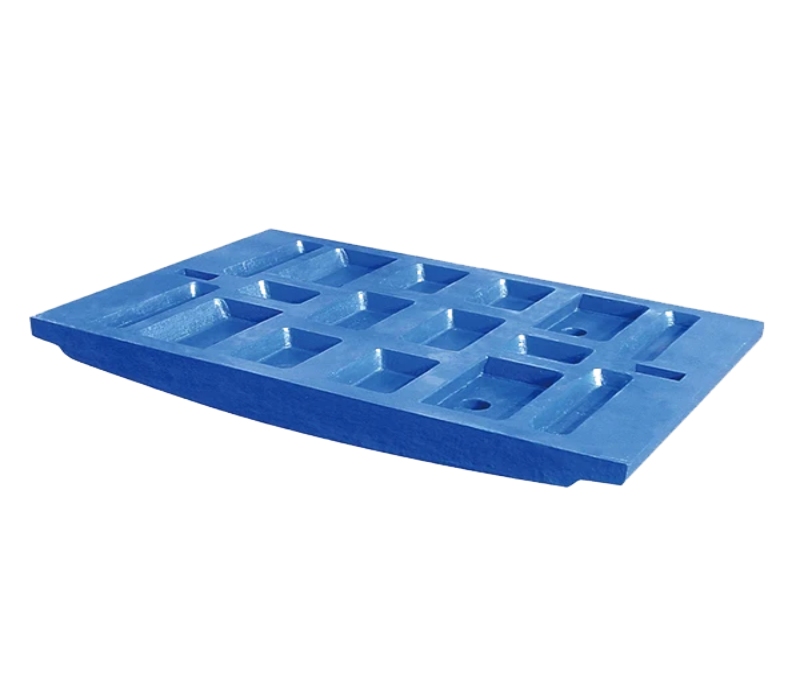
Jaw Plate
This product is a special tooth plate for the Star jaw crusher. It is the core wear-resistant accessory of the equipment. It is installed in the crushing cavity of the crusher and cooperates with the moving jaw to complete the material crushing through extrusion. It is suitable for the full series of models of the planet jaw crusher to ensure the stable operation.
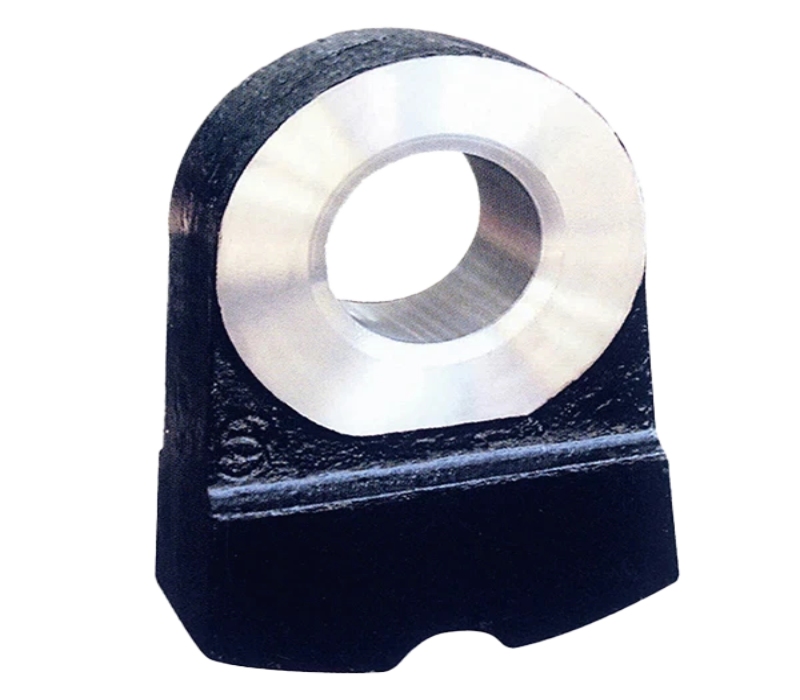
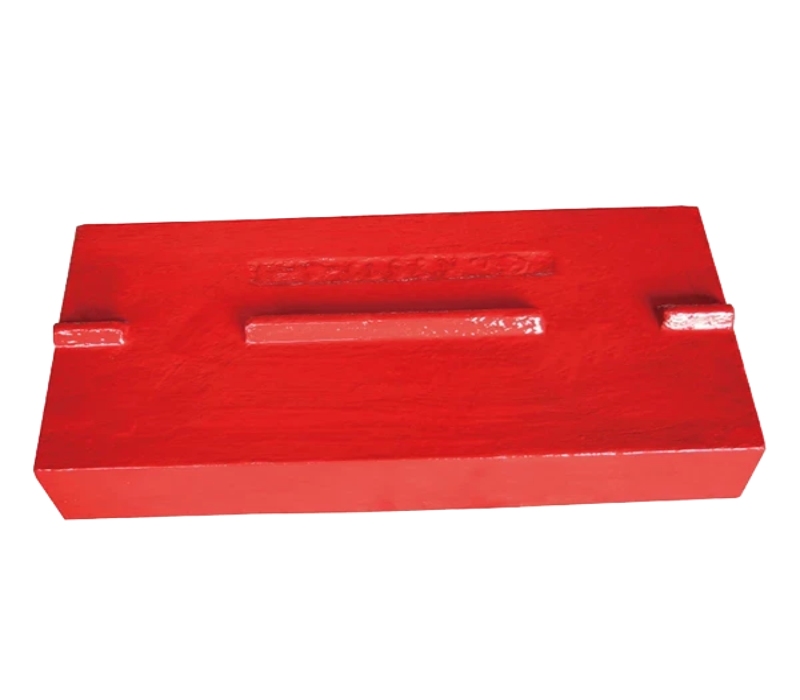
Blow Bar
The special plate hammer of the counterattack crusher is the core crushing accessory of the equipment. It is installed inside the crushing cavity and cooperates with the counterattack plate and lining plate to crush the material through high-speed impact. It is a key component to realise material crushing, which directly affects the crushing efficiency and the quality of the finished product.
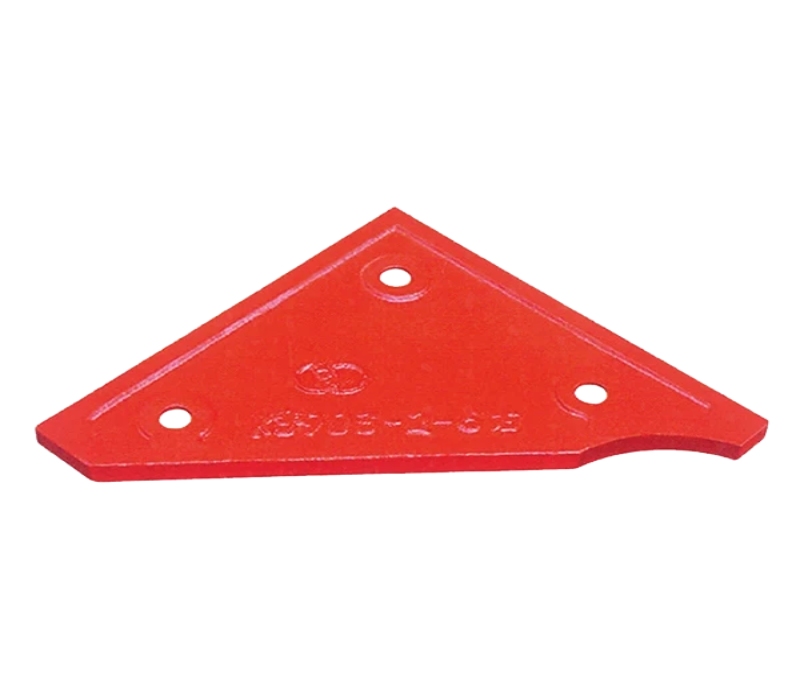
Liner Plate
The special lining plate of the counterattack crusher is the core wear-resistant and fragile accessory of the equipment. It is installed on the inner wall of the crushing cavity and directly contacts with the material. It can not only protect the equipment cavity from the impact and wear of the material, but also assist the plate hammer to complete the impact crushing of the material. It is a key consumable to ensure the long-term stable and efficient operation of the equipment.
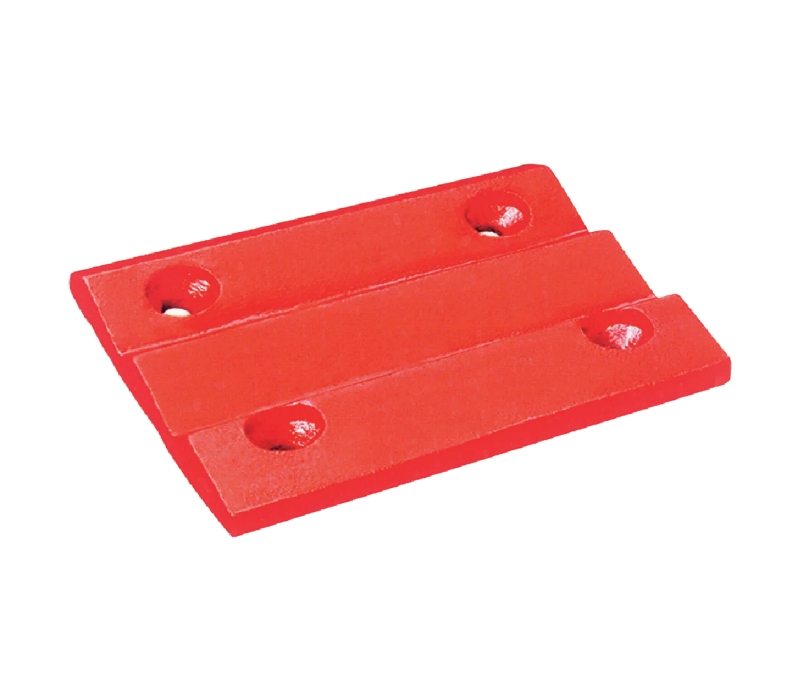
Impact Plate
The special counterattack plate for the counterattack crusher is the core wear-resistant crushing accessory of the equipment. It is installed inside the crushing cavity and cooperates with the plate hammer to complete the material crushing through impact. At the same time, it protects the equipment cavity to avoid the direct wear of the material. It is a key consumable to ensure the efficiency and stability of the crushing operation.
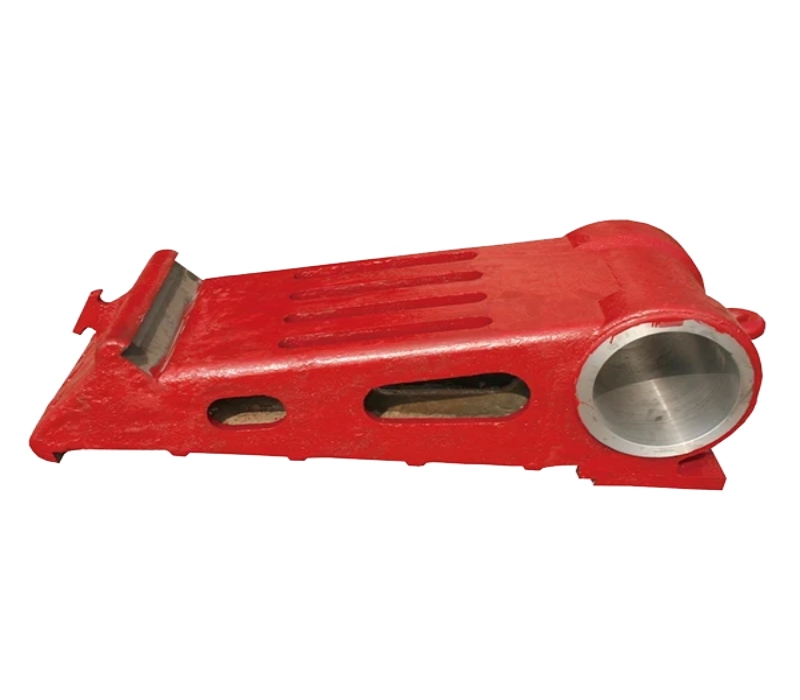
Jaw Stock
The jaw crusher moving jaw is the core crushing component that drives material crushing through reciprocating movement and ensures normal equipment operation.

FREQUENTLY ASKED QUESTIONS
Have Any Questions
-
What industries do Star Machinery & Steelcasting products serve?
Our comprehensive range of crushing, screening, and conveying equipment is widely utilized in mining, metallurgy, construction materials, highway and railway infrastructure, water conservancy, and the chemical industry. We provide complete production line solutions tailored to specific geological and operational requirements.
-
Can you provide customized wear parts for non-standard machinery?
Yes. With over 30 years of experience in steel casting, we offer more than 10,000 types of wear-resistant castings, including jaw plates, mantle/concave sets, and blow bars. We support OEM/ODM services based on your technical drawings or specific material requirements (High Manganese Steel, Chrome, etc.).
-
Do you provide international on-site support?
We offer a full technical service package including equipment selection, plant design, installation guidance, and operator training. Our products are exported to over 60 countries across Europe, Southeast Asia, the Middle East, and Africa, supported by remote technical consultations and global logistics.
-
How do I choose the right material for my crusher liners?
Material selection depends on the feed size and hardness. For high-impact primary crushing (Jaw Crushers), we typically use High Manganese Steel (Mn13, Mn18, Mn22). For high-abrasion environments (VSI or Impact Crushers), we offer High-Chrome Castings and specialized alloys to maximize the service life of your components.
-
What should be checked during the trial run of a Jaw Crusher?
Key inspection points include:
Checking the lubrication system and bearing temperatures.
Ensuring the tension of the V-belt is correct.
Verifying that all bolts and fasteners are secured.
Observing the stability of the flywheel and counterweights for any unusual vibration or noise. -
What is the typical lead time for large-scale production lines?
Lead times vary by project scale. Standard single machines (like feeders or conveyors) typically ship within 15-30 days, while custom-engineered production lines may take 45-60 days to allow for comprehensive design and pre-assembly testing.